Finishing Machines in Industrial Machining
Finishing Machines in Industrial Machining – In-Depth Analysis
Alternatives to Traditional Finishing Machines
The evolution of industrial manufacturing has introduced several alternatives to traditional finishing machines, offering innovative approaches to achieve surface perfection in various materials. These alternatives often bring advantages such as increased precision, reduced environmental impact, and improved efficiency.
- Laser Finishing Techniques:
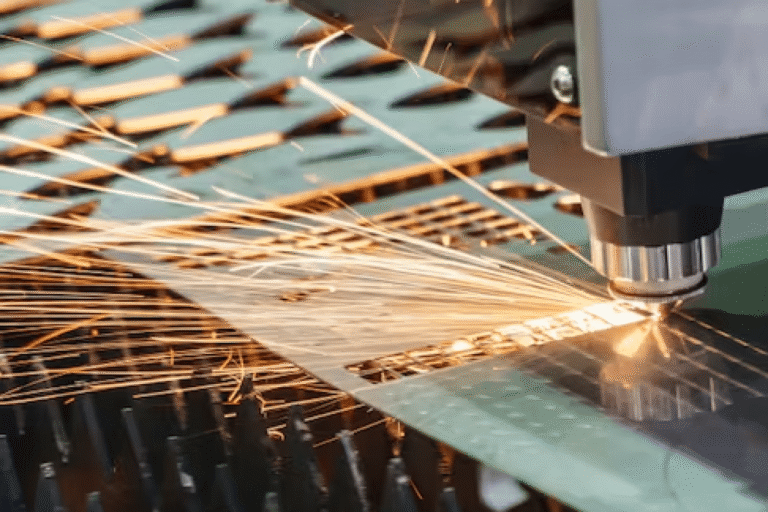
- Laser finishing has emerged as a powerful alternative to mechanical and chemical finishing methods. Utilizing lasers for surface treatment allows for precise control over the material’s surface properties without physically contacting the workpiece. This technology is particularly beneficial for applications requiring fine details or the treatment of hard-to-reach areas. Laser finishing can achieve a machine turned finish or even a polished surface without the wear and tear associated with mechanical tools.
- Electropolishing:
- Electropolishing is an electrochemical process that smoothens and brightens metal surfaces by removing a thin layer of material. This method offers an alternative to traditional mechanical polishing or vibratory finishing machines. It is particularly effective in industries like medical device manufacturing and aerospace, where high levels of cleanliness and precision are required. The process also passivates the metal, enhancing its corrosion resistance, which is a significant advantage over mechanical methods.
- Advanced Coating Technologies:
- While CNC powder coating systems are widely used for protective and decorative finishes, new coating technologies like physical vapor deposition (PVD) and chemical vapor deposition (CVD) are gaining traction as alternatives. These techniques allow for the application of thin, hard coatings that improve wear resistance and reduce friction. They are especially useful in high-performance applications such as cutting tools, where traditional powder coatings may not be sufficient.
- Cryogenic Deburring:
- Cryogenic deburring uses extremely low temperatures to embrittle burrs on plastic or rubber parts, which are then removed using a blast of media. This process serves as an alternative to tumbler deburring machines and is particularly effective for small, delicate components. Cryogenic deburring offers precision and repeatability, reducing the risk of damage to the workpiece, which can occur with more aggressive mechanical methods.
- Nano-Finishing Techniques:
- Nano-finishing involves the use of nano-sized abrasives or advanced chemical treatments to achieve ultra-smooth surfaces. This alternative to traditional vibratory polishing machines is particularly relevant in industries like optics and electronics, where surface finish at the nanometer scale can significantly impact performance.
Latest Developments in Industrial Finishing Machines
The finishing machines industry is undergoing rapid innovation, driven by advancements in automation, materials science, and sustainability. These developments are reshaping how manufacturers approach surface finishing, leading to more efficient, precise, and environmentally friendly processes.
- Automation and Smart Finishing Systems:
- The integration of automation into finishing processes has become a significant trend. CNC finishing machines are now often equipped with advanced robotics and AI-driven controls that allow for fully automated finishing operations. These systems can adjust parameters in real-time based on feedback from sensors, ensuring consistent quality while reducing the need for manual intervention. This advancement is particularly beneficial in high-volume production environments where precision and repeatability are critical.
- Sustainable Finishing Processes:
- Environmental concerns are driving the development of more sustainable finishing processes. Innovations such as water-based finishing systems and dry finishing technologies are reducing the need for hazardous chemicals traditionally used in finishing operations. For instance, vibro peen and bead blast machines are being redesigned to minimize dust and particulate emissions, aligning with stricter environmental regulations.
- High-Precision Surface Engineering:
- Recent developments in surface engineering have led to the creation of finishing machines capable of achieving extremely fine surface finishes. These include machines designed to produce specific textures or micro-geometries on surfaces, which are critical in applications like medical implants or high-performance engine components. Advances in milling machine surface finish technologies, for example, now allow for the production of surfaces with micrometer-level smoothness.
- Hybrid Finishing Machines:
- Hybrid machines that combine multiple finishing processes into a single system are becoming more prevalent. These machines can switch between vibratory finishing, polishing, and coating processes without needing to transfer the workpiece to different machines. This integration not only saves time but also improves process efficiency and reduces the footprint of finishing operations on the shop floor.
- 3D Printing in Finishing:
- The rise of 3D printing is influencing the finishing industry as well. Post-processing of 3D printed parts, such as tumbling or vibratory deburring, is becoming increasingly sophisticated, with finishing machines being adapted to handle the unique challenges of additively manufactured components. These machines can smooth out layer lines, remove support structures, and apply surface treatments that enhance the durability and appearance of 3D printed parts.
Opportunities for Industrial Suppliers in Finishing Machines
The evolving landscape of industrial finishing machines presents numerous opportunities for suppliers to expand their market share and meet the growing demands of various industries. Key opportunities include:
- Customization and Niche Solutions:
- As manufacturers increasingly demand tailored finishing solutions, suppliers can differentiate themselves by offering customized machines designed for specific applications. For instance, developing specialized marble finishing machines for the stone industry or custom vibratory polishing machines for aerospace components can open up new market segments. Providing machines that cater to unique industry needs can enhance customer loyalty and create opportunities for premium pricing.
- Aftermarket Services and Support:
- There is a growing demand for comprehensive aftermarket services, including maintenance, repair, and upgrades for finishing machines. Suppliers can capitalize on this by offering service contracts, training programs, and easy access to replacement parts. This is particularly relevant for customers using used finishing machines or used vibratory deburring machines, where ongoing support can significantly extend the life of the equipment.
- Emerging Markets:
- Industrialization in emerging markets, particularly in Asia and Africa, presents significant growth opportunities for suppliers of finishing machines. As these regions ramp up manufacturing activities, the demand for reliable, high-performance finishing equipment is expected to rise. Suppliers can tap into these markets by establishing local partnerships, offering competitive pricing, and providing localized support services.
- Eco-Friendly Finishing Solutions:
- With increasing regulatory pressure and consumer demand for sustainable practices, there is a significant opportunity for suppliers to lead in eco-friendly finishing technologies. Offering products like energy-efficient vibro deburring machines or water-based powder coating systems can attract environmentally conscious manufacturers. Marketing these green solutions can not only drive sales but also enhance the supplier’s brand reputation.
- Integration with Digital Manufacturing:
- As manufacturing shifts towards digitalization and Industry 4.0, there is a growing need for finishing machines that can integrate seamlessly with digital production systems. Suppliers who develop finishing machines with IoT capabilities, enabling real-time monitoring and data analysis, will be well-positioned to meet the needs of modern, digitally-connected manufacturing environments.
Best Sales Approach for Industrial Finishing Machines
Selling industrial finishing machines requires a strategic approach that combines deep technical knowledge, customer-centric solutions, and innovative marketing strategies. Here’s a breakdown of the best sales approaches:
- Technical Demonstrations and Case Studies:
- Given the complex nature of finishing processes, providing live demonstrations or virtual simulations of your machines in action can be highly effective. For example, showcasing how a vibratory finishing machine achieves a specific surface finish or how a CNC powder coating system applies a uniform coating can help potential customers visualize the benefits. Supplementing these demonstrations with case studies that highlight successful applications in relevant industries can further build credibility and trust.
- Consultative Selling:
- Adopting a consultative sales approach, where the salesperson acts as an advisor, can be particularly effective in this sector. This involves thoroughly understanding the customer’s manufacturing processes, challenges, and goals, and then recommending the most suitable finishing machine solutions. For instance, guiding a customer towards a finishing lathe that provides the exact lathe finish they need, or a central machinery powder coating system that meets their throughput requirements, can lead to more meaningful engagements and long-term partnerships.
- Value-Driven Marketing:
- In marketing finishing machines, it’s crucial to emphasize the value proposition, such as improved product quality, increased efficiency, or lower operating costs. Highlighting the ROI of investing in advanced finishing equipment, like the long-term savings from reduced waste or the enhanced durability of components finished with a shot peen machine, can be a powerful motivator for potential buyers.
- Customer Support and Training:
- Offering comprehensive customer support and training programs can differentiate your company from competitors. Customers who invest in used finishing machines or used vibratory deburring machines will especially appreciate ongoing support to maximize their equipment’s lifespan and performance. Providing training on optimal machine use, maintenance tips, and process optimization can help ensure customer satisfaction and encourage repeat business.
- Digital and Content Marketing:
- Leveraging digital platforms is essential in today’s sales environment. Maintaining a strong online presence with detailed product descriptions, customer testimonials, and educational content can attract potential buyers. Content marketing, such as blogs or videos explaining the benefits of different surface finishing machines or showcasing new developments in vibratory polishing technology, can position your company as an industry leader and drive traffic to your website.
- Trade Shows and Industry Events:
- Participating in industry-specific trade shows and events can be an effective way to showcase your finishing machines to a targeted audience. These events provide opportunities for face-to-face interactions, live demonstrations, and networking with potential customers who are actively seeking new technologies. Having a well-prepared team at these events, ready to answer technical questions and discuss specific applications, can significantly boost sales prospects.
Conclusion
The industrial finishing machines sector is a dynamic and rapidly evolving field, with continuous advancements creating new opportunities and challenges for suppliers. By understanding the latest developments, exploring alternative technologies, and adopting effective sales strategies, suppliers can not only meet but exceed the expectations of their customers. Whether through innovation, customization, or superior service, the key to success lies in staying ahead of the curve and providing finishing machines that deliver both precision and value across various industries.
Recruit Sales Agents & Distributors for Your Product Line
Manufacturers launching new products or expanding internationally often recruit
sales agents or distributors to develop regional markets.
Agents-Distributors.com connects manufacturers with independent sales agents,
distributors, and commercial partners worldwide.