Cutting Tools in Industrial Machining – In-Depth Analysis
Cutting Tools in Industrial Machining
Alternatives to Traditional Cutting Tools
The evolution of cutting tools has led to the development of various alternatives that are more efficient, precise, and tailored to specific industrial needs. While traditional tools like chiseling machines and metal band saws have their place, modern alternatives offer significant advantages in certain applications.
- Laser Cutting Technology:
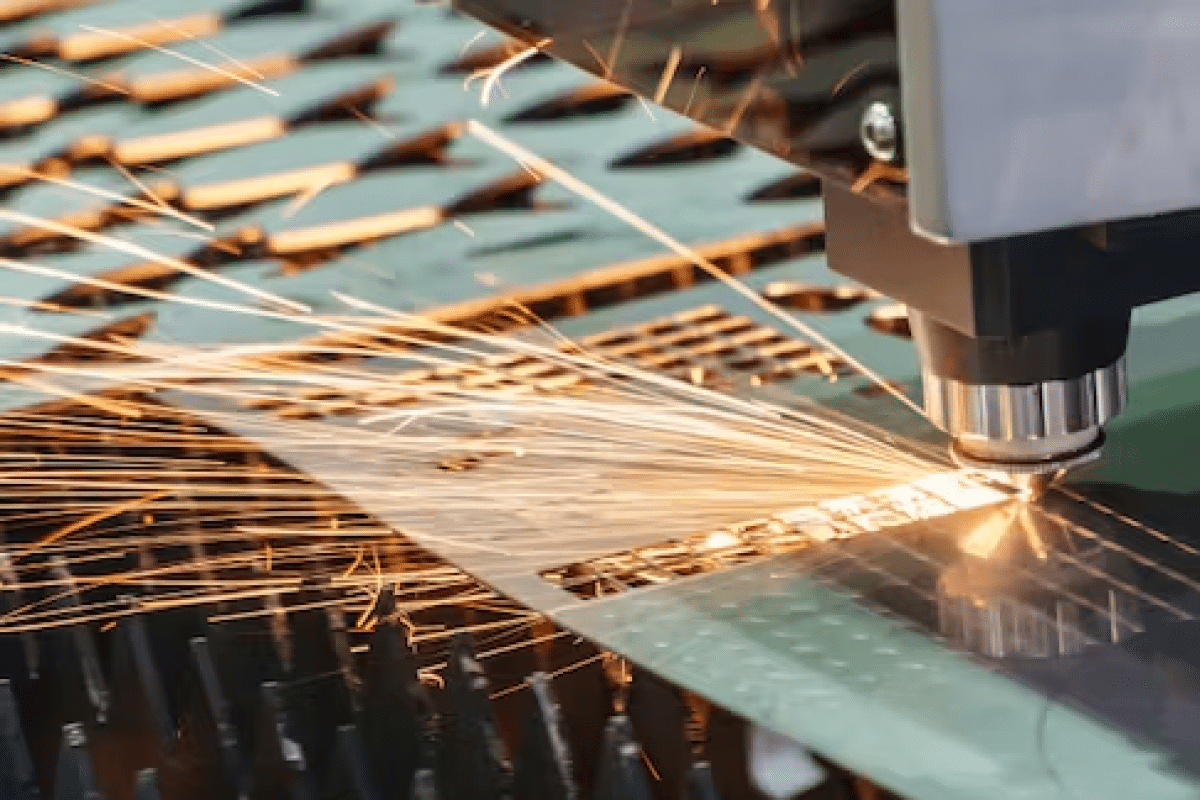
- Fiber laser cutting machines and CNC laser cutting machines have emerged as leading alternatives to mechanical cutting tools. They offer unmatched precision, especially in applications requiring intricate designs or tight tolerances. For instance, the laser metal cutting machine has revolutionized sheet metal fabrication, offering a non-contact method that minimizes material deformation.
- Waterjet Cutting Machines:
- A waterjet machine provides a versatile alternative to traditional cutting tools. Capable of cutting through a wide range of materials including metal, stone, and composites, waterjet cutting is especially useful where heat generation is a concern. The ability to cut materials without affecting their structural integrity makes it an excellent choice for industries such as aerospace and automotive.
- Plasma Cutting Technology:
- Plasma cutting machines, including plasma cutters CNC and plasma cutting tables, are highly efficient alternatives for cutting thick metal sheets. They offer faster cutting speeds compared to traditional saws and are particularly useful in heavy-duty applications such as shipbuilding, heavy machinery, and metal fabrication.
- Wire EDM Machines:
- Wire EDM (Electrical Discharge Machining) machines represent a significant advancement for cutting hard materials and achieving high precision. This technology is especially effective for cutting complex shapes and delicate parts, making it a preferred alternative in tool and die manufacturing, as well as in the production of medical devices.
Latest Developments in Industrial Cutting Tools
The cutting tools industry is constantly evolving, driven by advancements in technology and the increasing demand for precision and efficiency. Here are some of the latest developments:
- Hybrid Cutting Machines:
- The integration of multiple cutting technologies into a single machine is one of the most significant recent trends. For instance, hybrid machines that combine laser cutting and plasma cutting offer the flexibility to switch between cutting methods depending on the material and required precision. This versatility allows manufacturers to optimize their production processes, reducing the need for multiple machines and setups.
- AI and Automation in CNC Machines:
- The incorporation of AI and machine learning into CNC machines is transforming the industry. These advancements enable predictive maintenance, adaptive cutting strategies, and real-time quality control, significantly reducing downtime and improving efficiency. CNC wood cutting machines and CNC routers are now equipped with smart sensors that adjust cutting parameters on the fly, ensuring consistent quality and reducing waste.
- Eco-friendly Cutting Technologies:
- There is a growing focus on sustainability in manufacturing, leading to the development of eco-friendly cutting technologies. Waterjet cutting is a prime example, as it uses water and abrasive materials that can be recycled. Additionally, newer laser cutting machines are being designed to consume less energy and produce fewer emissions, aligning with global environmental goals.
- Advanced Cutting Materials and Coatings:
- The development of advanced cutting materials, such as polycrystalline diamond (PCD) and cubic boron nitride (CBN), has significantly enhanced the durability and efficiency of cutting tools. These materials are particularly beneficial in high-speed machining and cutting of hard-to-machine materials. Additionally, the application of specialized coatings on tools, such as titanium nitride (TiN) and diamond-like carbon (DLC), further extends tool life and improves cutting performance.
Opportunities for Industrial Suppliers in Cutting Tools
The evolving landscape of industrial cutting tools presents numerous opportunities for suppliers to expand their market presence and meet the growing demands of various industries. Key opportunities include:
- Customization and Specialized Solutions:
- As industries increasingly require tailored solutions, suppliers can differentiate themselves by offering custom cutting tools designed for specific applications. For example, developing bespoke CNC router bits for specialized woodworking or creating custom waterjet cutting machines for unique material combinations can open new market segments.
- Integration of Digital Solutions:
- Suppliers can capitalize on the shift towards Industry 4.0 by integrating digital solutions such as IoT-enabled monitoring systems and AI-driven optimization tools into their product offerings. Providing cutting tools that can seamlessly integrate with a manufacturer’s existing digital infrastructure adds significant value and enhances customer loyalty.
- Emerging Markets and Industries:
- Emerging markets, particularly in Asia and Africa, present significant growth opportunities for cutting tool suppliers. As industrialization accelerates in these regions, the demand for advanced cutting tools like fiber laser cutting machines and CNC plasma cutting machines is expected to rise. Suppliers can tap into these markets by establishing local partnerships and offering competitive pricing.
- Sustainability and Green Manufacturing:
- With the increasing emphasis on sustainable manufacturing, suppliers have the opportunity to position themselves as leaders in eco-friendly cutting technologies. Offering products like energy-efficient laser CNC machines or promoting the environmental benefits of waterjet cutting can attract customers who prioritize sustainability.
Best Sales Approach for Industrial Cutting Tools
Selling industrial cutting tools requires a strategic approach that combines technical expertise, customer-centric solutions, and value-driven marketing. Here’s a breakdown of the best sales approaches:
- Technical Demonstrations and Training:
- Given the technical nature of cutting tools, providing live demonstrations and hands-on training can be highly effective. For example, showcasing the precision of a CNC wood cutting machine or the versatility of a plasma cutting table through demonstrations can help potential customers understand the tool’s capabilities. Offering training sessions on how to optimize the use of these machines can further build trust and establish the supplier as a knowledgeable partner.
- Consultative Selling:
- Adopting a consultative sales approach, where the salesperson acts as a consultant rather than just a vendor, can be particularly effective. This involves understanding the specific needs of the customer and recommending the most suitable tools, whether it’s a metal cutting band saw or a hot wire foam cutter. By providing tailored solutions, sales professionals can create long-term relationships and increase customer satisfaction.
- Value-Driven Marketing:
- Highlighting the value proposition of the cutting tools, such as reduced operational costs, increased precision, or enhanced efficiency, is crucial in attracting buyers. For instance, marketing the cost-effectiveness and performance of a Bosch cutter machine 14 inch or the longevity of a cutting blade can appeal to budget-conscious customers. Additionally, emphasizing the long-term savings associated with energy-efficient machines like laser cutting machines can be a strong selling point.
- After-Sales Support and Maintenance:
- Offering robust after-sales support, including maintenance services and availability of spare parts, can be a significant differentiator in the market. Suppliers who provide comprehensive support for products like wire EDM machines or lathe tools can build customer loyalty and encourage repeat business. Implementing a service model that includes regular check-ups and updates can also be an effective way to maintain a competitive edge.
- Digital Presence and E-Commerce:
- In today’s digital age, having a strong online presence is essential. Suppliers should leverage digital platforms to showcase their product range, including pricing for items like the Bosch cutter machine 5 inch or the 32 inch paper cutting machine. E-commerce options that allow customers to easily purchase items like aluminium cutting machines or wood cutting machines online can significantly increase sales, especially in markets where physical stores are less accessible.
Conclusion
The industrial cutting tools sector is dynamic, with continuous advancements creating new opportunities and challenges for suppliers. By understanding the latest developments, exploring alternative technologies, and adopting effective sales strategies, suppliers can not only meet but exceed the expectations of their customers. Whether through innovation, customization, or superior service, the key to success lies in staying ahead of the curve and providing cutting tools that deliver both precision and value.
FAQs: In-Depth Answers on Industrial Cutting Tools
1. What are the key differences between fiber laser cutting machines and CO2 laser cutting machines?
Fiber laser cutting machines and CO2 laser cutting machines are both popular in the industry, but they operate on different principles and have distinct advantages. Fiber laser cutting machines use optical fibers as the laser medium, which results in a more focused and powerful beam. This makes them highly efficient for cutting metals like stainless steel, aluminum, and copper, with faster processing speeds and lower operating costs. Additionally, fiber lasers have a longer lifespan and require less maintenance compared to CO2 lasers.
On the other hand, CO2 laser cutting machines use a gas mixture of carbon dioxide, nitrogen, and helium as the laser medium. They are more versatile in cutting non-metal materials such as wood, acrylic, glass, and textiles. However, CO2 lasers generally have higher operational costs due to their need for more maintenance and energy consumption. The choice between the two depends on the specific materials you intend to cut and the precision required.
2. How does a CNC plasma cutting machine compare to a CNC laser cutting machine in terms of performance and application?
CNC plasma cutting machines and CNC laser cutting machines serve different purposes and excel in different applications. CNC plasma cutters use a high-velocity jet of ionized gas to cut through electrically conductive materials, making them ideal for thick metals like steel and aluminum. They are known for their high cutting speed and relatively lower cost, especially in heavy-duty industrial applications such as construction and automotive repair.
In contrast, CNC laser cutting machines offer superior precision, especially for intricate designs and thin materials. They are capable of cutting a wide range of materials, including metals, plastics, and composites, with clean edges and minimal thermal distortion. Laser cutters are preferred in industries where precision and detail are critical, such as in electronics, aerospace, and custom metal fabrication. While they are generally more expensive than plasma cutters, their versatility and accuracy can justify the investment.
3. What are the benefits of using a waterjet cutting machine over traditional cutting methods?
A waterjet cutting machine offers several advantages over traditional cutting methods, particularly when it comes to versatility and material integrity. Waterjet cutting uses a high-pressure stream of water, often mixed with an abrasive material, to cut through virtually any material, including metals, stone, glass, ceramics, and composites. Unlike traditional cutting tools, waterjet machines do not generate heat during the cutting process, which means there is no thermal distortion or hardening of the cut edges. This makes it ideal for materials that are sensitive to heat, such as titanium or certain plastics.
Additionally, waterjet cutting is highly precise and capable of producing intricate shapes and patterns without the need for secondary finishing processes. The absence of mechanical stress on the material also reduces the risk of material deformation. Waterjet machines are particularly advantageous in industries like aerospace, automotive, and architectural design, where both precision and material preservation are paramount.
4. What factors should be considered when selecting CNC router bits for woodworking?
Selecting the right CNC router bits for woodworking is crucial to achieving optimal results and prolonging the life of the tools. Key factors to consider include the material of the workpiece, the type of cut desired, the speed and feed rate of the CNC machine, and the material of the bit itself.
- Material of the Workpiece: Different materials require different types of bits. For example, hard woods like oak or maple may require bits with a more robust design, such as carbide-tipped bits, which are more durable and can handle the hardness of the wood without dulling quickly.
- Type of Cut: The desired cut—whether it’s for carving, grooving, profiling, or cutting through—will dictate the type of bit. For instance, a straight bit is commonly used for cutting and grooving, while a V-bit is ideal for engraving and detailed work.
- Speed and Feed Rate: The bit’s size and the material’s density will affect the optimal speed and feed rate. Operating at the correct parameters ensures a clean cut and prevents burning or chipping.
- Bit Material: High-speed steel (HSS) bits are affordable and suitable for softwoods, while carbide-tipped bits are more expensive but offer superior durability and performance, especially for hardwoods and laminated materials.
5. How does a wire EDM machine differ from traditional machining methods, and what are its advantages?
Wire EDM (Electrical Discharge Machining) is a non-traditional machining process that uses electrical discharges or sparks to cut conductive materials with high precision. Unlike traditional machining methods, which typically involve cutting with a sharp tool, wire EDM relies on a thin wire as the cutting electrode, which does not physically touch the material. This process allows for the cutting of very hard materials, including tool steels, titanium, and superalloys, with extreme precision.
The main advantages of wire EDM include the ability to create complex shapes and tight tolerances that are difficult or impossible to achieve with traditional machining. It is also capable of cutting very thin sections without causing mechanical stress or deformation. Wire EDM is widely used in industries that require high precision, such as aerospace, medical device manufacturing, and tool and die making.
6. What are the cost considerations when purchasing a metal cutting band saw?
When purchasing a metal cutting band saw, several cost considerations should be taken into account to ensure the investment aligns with your operational needs and budget:
- Initial Purchase Cost: This includes the upfront price of the band saw, which varies depending on the size, power, brand, and features. For instance, a horizontal band saw might cost more than a smaller vertical model due to its capacity and power.
- Operational Costs: This includes the cost of blades, electricity, maintenance, and any additional accessories needed for specific cutting tasks. Blades can be a recurring expense, especially if cutting hard materials frequently, so choosing a saw with durable, long-lasting blades can reduce overall costs.
- Maintenance and Downtime: Regular maintenance is essential to keep the saw operating efficiently and to prevent costly breakdowns. Consider the ease of finding replacement parts and the availability of service providers when choosing a model.
- Resale Value: Some high-quality metal cutting band saws retain their value well over time, which could be a factor if you plan to upgrade or resell in the future.
- Total Cost of Ownership: Beyond the initial purchase, consider the total cost of ownership over the machine’s lifespan, including all operational and maintenance costs. A more expensive, high-quality machine may offer better long-term value if it reduces downtime and increases productivity.
7. What are the latest innovations in CNC laser cutting machines that enhance productivity?
The latest innovations in CNC laser cutting machines are focused on enhancing productivity through automation, precision, and energy efficiency. Key developments include:
- Automation Integration: Modern CNC laser cutters are increasingly integrated with automated material handling systems, such as robotic arms and conveyors, which streamline the production process and reduce the need for manual intervention. This leads to faster cycle times and higher throughput.
- Adaptive Optics and Beam Shaping: Advances in laser optics have allowed for the dynamic adjustment of the laser beam’s shape and focus during cutting, which enhances precision and reduces the need for multiple passes. This is particularly useful in cutting complex geometries or materials with varying thicknesses.
- Energy Efficiency: Newer models are designed with energy-saving technologies, such as high-efficiency fiber lasers that consume less power while delivering higher cutting speeds. This not only reduces operational costs but also aligns with sustainable manufacturing practices.
- Real-time Monitoring and Feedback: The integration of IoT and AI technologies enables real-time monitoring of the cutting process, allowing for immediate adjustments based on material behavior or machine performance. This reduces waste, improves accuracy, and minimizes downtime.
- Multi-functional Capabilities: Some advanced CNC laser cutting machines now offer multi-functional capabilities, such as combining cutting with engraving or drilling, further enhancing their utility and reducing the need for multiple machines.
8. How do you determine the right cut-off machine for your specific needs?
Choosing the right cut-off machine depends on several factors that align with your specific cutting needs:
- Material Type: Identify the primary materials you will be cutting. Different machines are optimized for different materials. For example, a metal cutting band saw might be ideal for metals, while a Bosch wall cutting machine could be more suitable for masonry or concrete.
- Cutting Capacity: Consider the thickness and size of the materials you need to cut. Ensure the machine has the capacity to handle these dimensions. For heavy-duty tasks, you might require a larger machine with higher power output.
- Portability: Depending on whether you need to move the machine around a workshop or take it to different job sites, you may want to choose between stationary models and portable options.
- Precision Requirements: For jobs requiring high precision, such as in metal fabrication or automotive work, you might need a machine with features like adjustable cutting angles and laser guides.
- Cost and Budget: Evaluate your budget, considering not only the initial purchase price but also the long-term operating costs, such as blade replacements and maintenance. Machines like the Bosch cutter machine 14 inch offer a good balance between price and performance for medium-duty tasks.
- Brand and Support: Consider purchasing from reputable brands known for their reliability and customer support. Access to spare parts and service centers is also crucial for maintaining long-term productivity.
9. What are the advantages of using a hot wire foam cutter in industrial applications?
A hot wire foam cutter is a specialized tool that uses a heated wire to cut through foam materials with precision. The advantages of using this tool
in industrial applications include:
- Clean and Precise Cuts: The heated wire melts through foam, leaving smooth edges without the debris or dust associated with mechanical cutting methods. This precision is essential in industries like packaging, where the foam must fit tightly around products, or in architectural modeling, where detailed shapes are required.
- Versatility: Hot wire foam cutters can handle a variety of foam types, including polystyrene, polyurethane, and polyethylene, making them versatile for different applications, from insulation to artistic design.
- Efficiency: These machines are highly efficient, capable of cutting large volumes of foam quickly without requiring significant force or complex setups. This efficiency translates to faster production times and lower labor costs.
- Minimal Waste: The precision of hot wire cutting reduces material waste, as the cuts are exact and there is little to no excess material removed. This is particularly important in industries where material costs are a significant concern.
- Ease of Use: Hot wire foam cutters are relatively easy to operate, with minimal training required. This makes them suitable for both large industrial operations and smaller workshops.
10. What are the key factors influencing the pricing of cutting blades, and how can you ensure you get the best value?
The pricing of cutting blades varies widely depending on several factors, and understanding these can help you get the best value:
- Material Composition: Blades made from higher-quality materials, such as carbide or diamond-tipped, will generally cost more but offer longer life and better cutting performance, especially on hard materials.
- Blade Design: The complexity of the blade’s design, such as the number of teeth per inch (TPI) or the specific geometry for certain types of cuts (e.g., ripping vs. cross-cutting), can influence the price. Specialized blades designed for specific materials, like metal or masonry, tend to be more expensive.
- Brand and Manufacturer: Reputable brands often charge more for their blades due to their proven reliability, precision, and support services. However, these brands often provide better value in terms of durability and performance.
- Coatings and Treatments: Blades that have special coatings, such as titanium or anti-friction coatings, offer enhanced performance and longevity, which can justify a higher price. These coatings reduce wear and tear and can improve cutting speed and accuracy.
- Application and Usage: Consider how often you will be using the blade and for what purpose. For heavy-duty, frequent use, investing in a higher-priced, durable blade can save money in the long run by reducing the need for replacements. For occasional use, a less expensive blade might suffice.
- Supplier Deals and Discounts: Look for bulk purchase discounts or promotions from suppliers, which can significantly reduce the cost per blade. Additionally, comparing prices across different suppliers can help you find the best deal.
Ensuring you get the best value involves balancing these factors with your specific needs. Investing in a high-quality blade that lasts longer and delivers better performance may be more cost-effective than repeatedly buying cheaper, lower-quality blades.
Recruit Sales Agents & Distributors for Your Product Line
Manufacturers launching new products or expanding internationally often recruit
sales agents or distributors to develop regional markets.
Agents-Distributors.com connects manufacturers with independent sales agents,
distributors, and commercial partners worldwide.